Calcite: clear reference points for observation and comparison
Calcite is a mineral made of calcium carbonate (CaCO₃). Widely found in many geological settings, calcite is appreciated in collections because it occurs in a wide range of appearances: single crystals or crystal groups, variable transparency, and specimens on matrix.
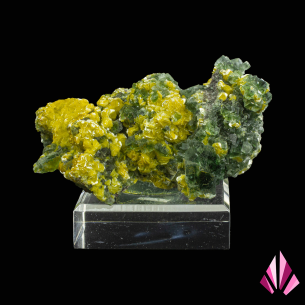
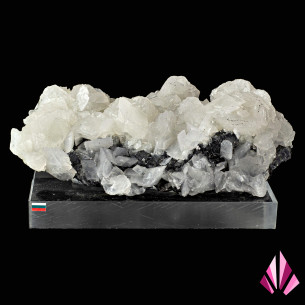
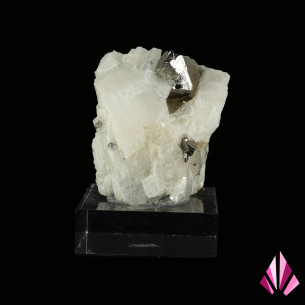
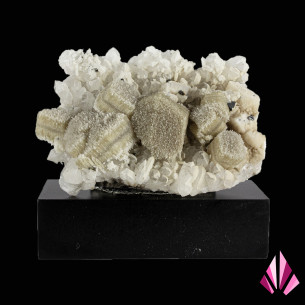
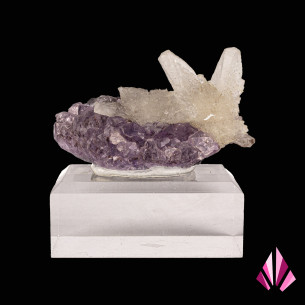
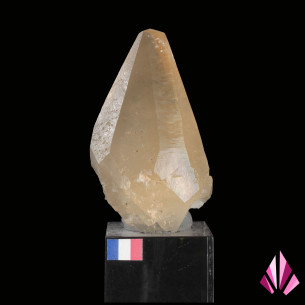
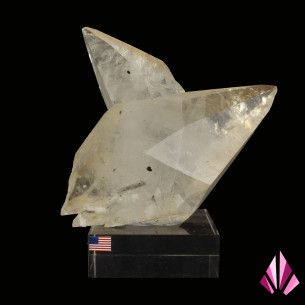
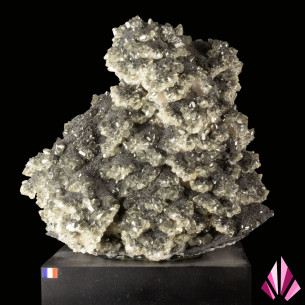
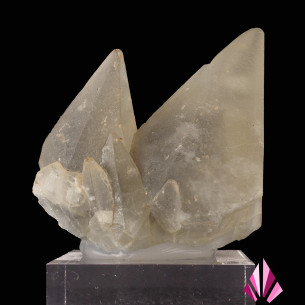
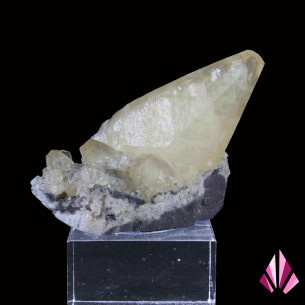
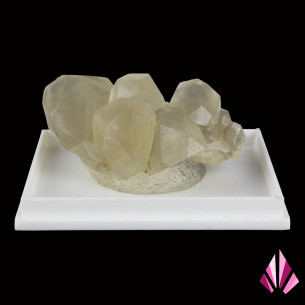
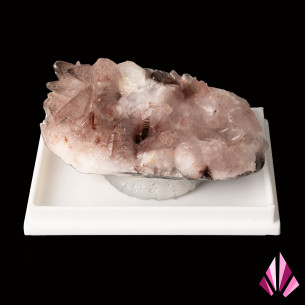
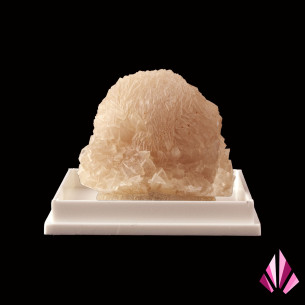
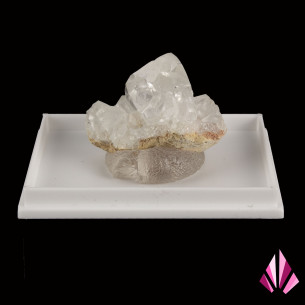
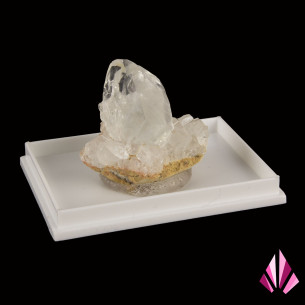
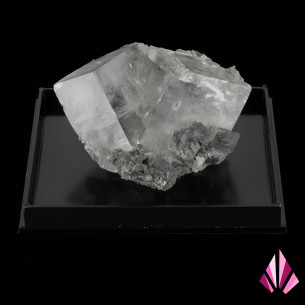
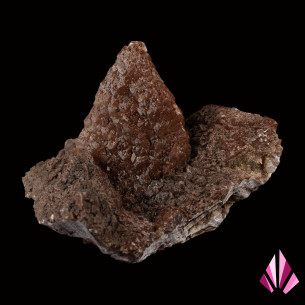
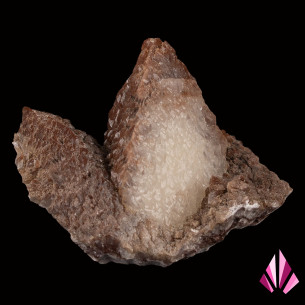
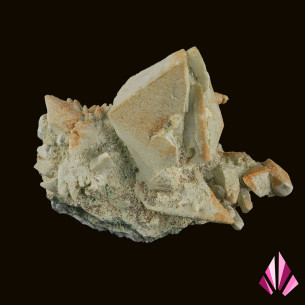
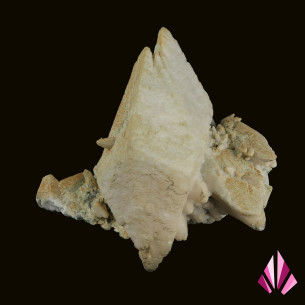
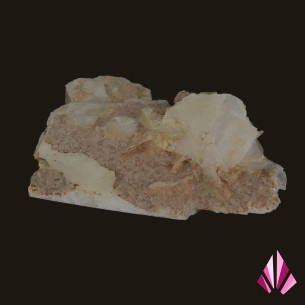
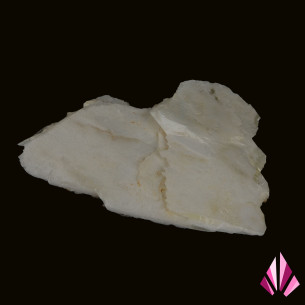
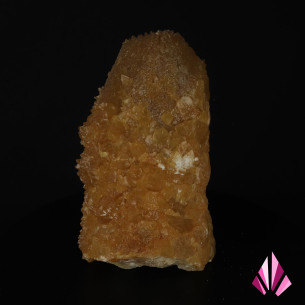
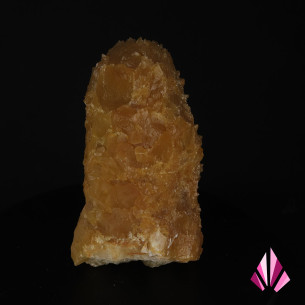
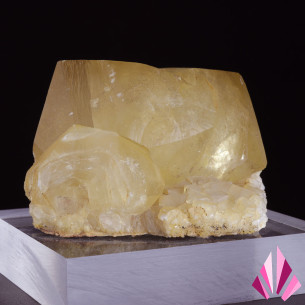
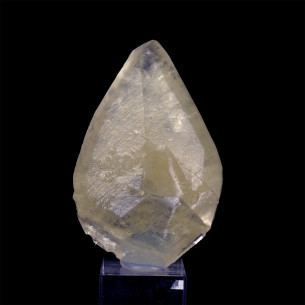
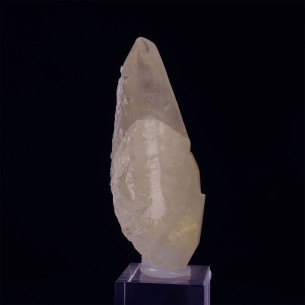
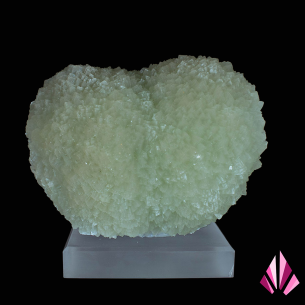
The calcite specimens shown below illustrate this diversity of appearances and contexts: crystal forms, hues, localities, and mineral associations.
This diversity calls for careful observation: two calcite specimens can look very different while still being the same mineral. For reliable comparison, it helps to rely first on stable, visible criteria (overall form, edges, crystal faces, cleavage, surface condition), and then consider colour and the mineral context as additional information.
A calcite-specific reading key
Cleavage
Calcite crystallizes in the trigonal system and shows a very strong rhombohedral cleavage, commonly described as perfect, in three directions. This is a key observation point because it can influence the look of a specimen: depending on the piece and the lighting, you may notice internal planes, subtle steps, or clean breaks aligned with these directions. This is a structural property of calcite, which may be clearly visible or only faintly expressed from one specimen to another.
What is useful to observe on calcite
Forms and practical observation
In collections, calcite commonly occurs as rhombohedral crystals (an oblique parallelepiped geometry) and as scalenohedral crystals, often described as “dogtooth” forms. Aggregates are also frequent, sometimes on matrix. In all cases, readability is assessed through the sharpness of edges, the flatness of faces, and the overall coherence of the crystal geometry.
In-hand properties: surface and sensitivity
Calcite has a Mohs hardness of 3, meaning it is relatively soft compared with many silicates. This makes surface condition especially important to evaluate (fine scratches, matte areas, small handling marks). Calcite also effervesces on contact with dilute hydrochloric acid; this is a classic identification test for carbonates and a reminder that calcite can be sensitive to acidic environments.
Selection criteria for collectors
1) Form and edges: readable geometry, sharp edges, clear terminations.
2) Face quality: flat faces, natural lustre, possible growth striations, and—if it matters to you—limited dominant surface marks.
3) Cleavage: whether cleavage planes are visible (internal or at the surface), and how they affect overall readability.
4) Transparency: transparent, translucent, or more milky; assess depth and inclusions without assuming “clarity” from a photo alone.
5) Colour: variable across specimens; best considered after form and surface condition.
6) Mineral context: a standalone crystal, a specimen on matrix, or a piece with associated minerals; the whole should remain readable and well balanced.
Terminology note
Calcite (CaCO₃) should be distinguished from aragonite, which has the same chemical composition but a different crystal structure. In practice, this distinction matters mainly when comparing crystal forms and habits.
Localities: a reference point for context
Localities are useful as a way to place a specimen within a formation context, without implying any hierarchy. From one locality to another, calcite may show different dominant habits (rhombohedra, scalenohedra, aggregates) and different assemblages, which helps collectors compare specimens with a consistent method.