Your cart
There are no more items in your cart
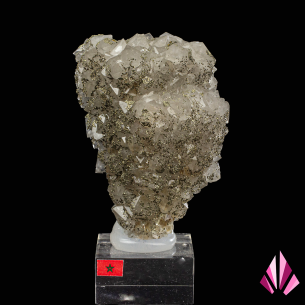
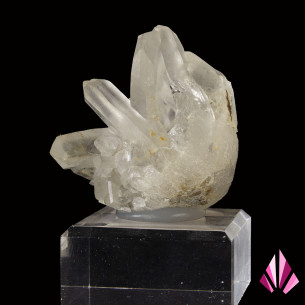
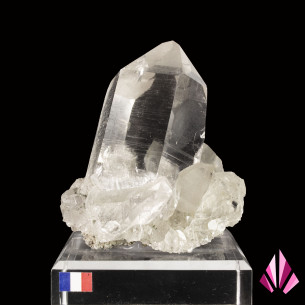
Quartz is one of the most common minerals on Earth, forming a significant part of the rocks around us, from granite mountains to river sands. For a collector, quartz is a fascinating species because it can take on very different appearances depending on where it formed. Scientifically, it is composed of silicon dioxide. It is a solid and durable mineral that often serves as a foundation for learning to identify crystals thanks to its constant physical properties.
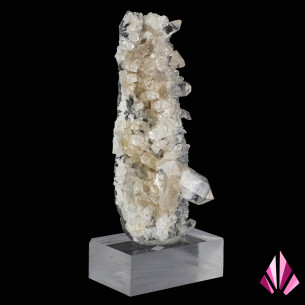
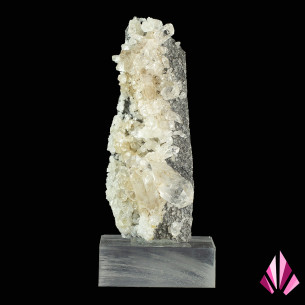
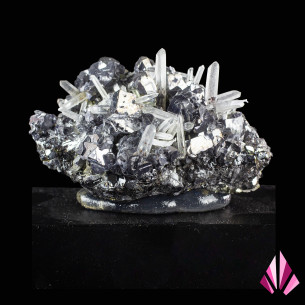
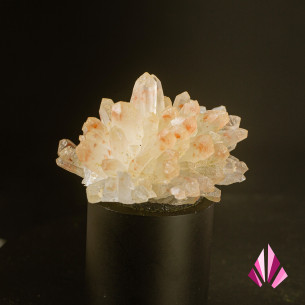
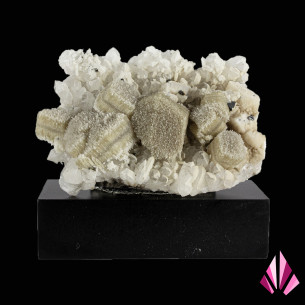
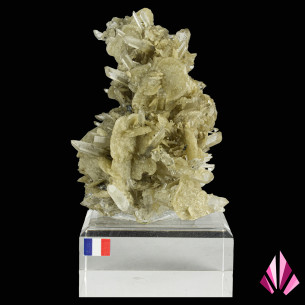
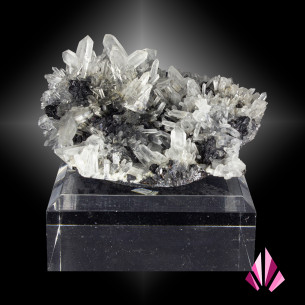
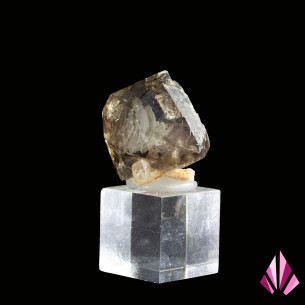
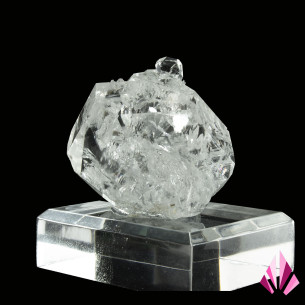
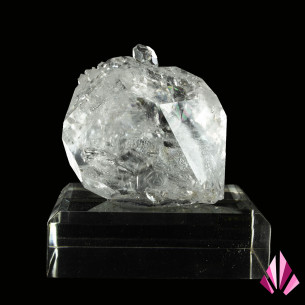
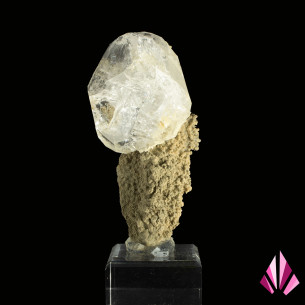
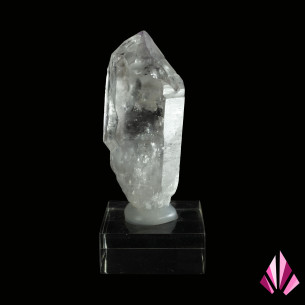
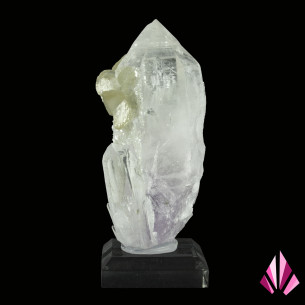
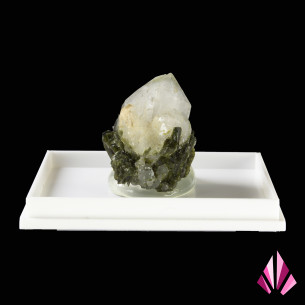
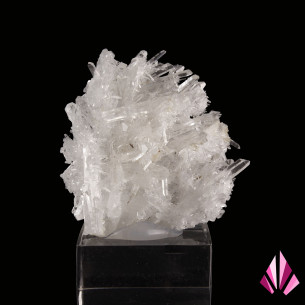
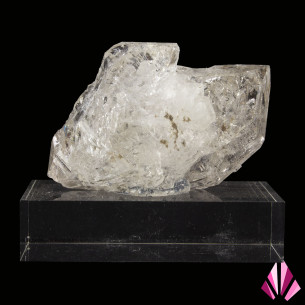
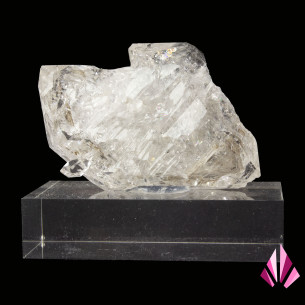
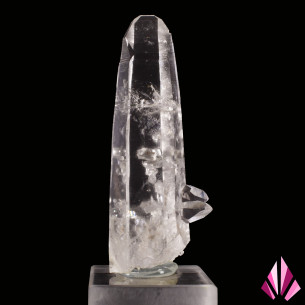
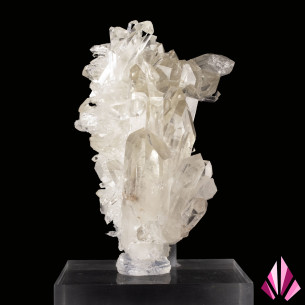
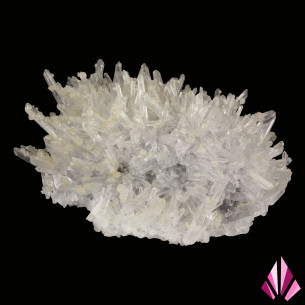
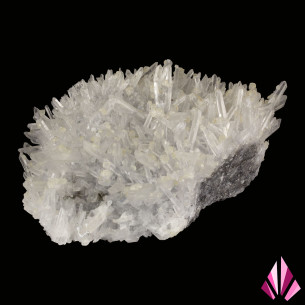
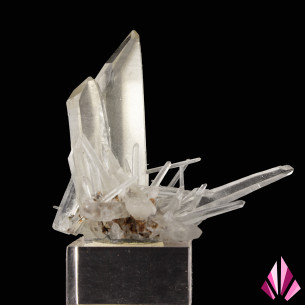
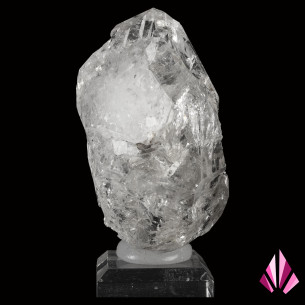
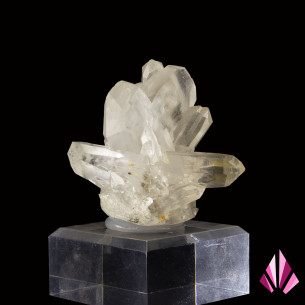
The various quartz specimens currently offered for sale are presented below.
To properly observe quartz, you must first look at its shape, also known as its crystal habit. In nature, it often appears as a six-sided prism topped by a pyramidal point. These faces are not always smooth; you will frequently see small horizontal striations, which are natural growth marks. An important criterion for comparing specimens is transparency. Some crystals are as clear as glass (known as rock crystal), while others are opaque or milky due to tiny bubbles of gas or liquid trapped inside during their initial formation.
Quartz is also famous for its hardness. On the Mohs scale, which measures mineral resistance from 1 to 10, quartz sits at level 7. This means it can scratch glass but cannot be scratched by a steel knife blade. This is a simple test that young collectors quickly learn to avoid confusing it with softer minerals like calcite. Another physical characteristic is the way it breaks: quartz has no specific cleavage plane. When it breaks, it forms curves and sharp shards called a conchoidal fracture.
Regarding colors, pure quartz is perfectly colorless. However, external factors can modify its appearance without changing its fundamental nature. For example, smoky quartz gets its grey or black tints from natural irradiation from neighboring rocks, which alters the arrangement of silicon atoms within the crystal. For rose quartz, the color comes from the incorporation of microscopic fibers of dumortierite, another mineral trapped during growth. Quartz can also be found in yellow or purple varieties, which owe their brilliance to traces of iron.
Beyond color, examining a specimen sometimes reveals fascinating inclusions. It is not uncommon to see golden or black "needles" trapped inside the crystal: these are often rutile or tourmaline. These trapped elements turn the quartz into a witness of the chemical environment in which it evolved. Similarly, the presence of "phantoms"—internal lines outlining a former shape of the crystal—allows us to visualize different stages of its growth.
Finally, studying a collector's quartz involves looking at how it grew in relation to other species. Sometimes, the crystal grew alone in a cavity, well-formed on all sides. Other times, it developed on a host rock with other companion minerals, such as small golden pyrite crystals, mica flakes, or white feldspars. these associations, which mineralogists call paragenesis, help us understand the geological history of the discovery site.
By learning to look at the details of a termination, the purity of the material, and the growth marks on the sides, the novice collector develops their sense of observation. Quartz is the ideal tool for this, offering a nearly infinite library of shapes and colors while remaining an accessible and robust mineral for study and scientific collection.